Vancouver holds a rare kind of garden memory. Properties with stucco houses, cedar fences and plots of soil that have cradled rhododendrons, ferns and Japanese maples for generations carry an intimacy you can feel underfoot. Renovating a historic garden here is neither restoration nor wholesale reinvention, it is a practice in stewardship. You want to keep the soul while making the place resilient, accessible and useful for the next 30 to 50 years. That balance is where thoughtful landscaping in Vancouver BC becomes essential.
Why this matters Historic gardens are living records of climate, horticulture and family choices. A garden that dates to the 1920s or 1950s is valuable in ways beyond real estate. Mature trees sequester carbon, established soil food webs stabilize slopes, and older plantings create habitats for urban wildlife. At the same time, older gardens often contain failing infrastructure, invasive species, drainage problems and hardscaping that no longer meets modern needs. Renovation done well preserves ecological value while addressing safety, function and contemporary aesthetics.
Read the landscape before changing it When I assess an old garden I spend the first hour walking slowly and taking notes, not measuring with a tape. Where does rainwater collect? Which sections receive morning light versus all-day sun? Which trees are clearly past their safe life and which are the keystones for shade and microclimate? In Vancouver BC the maritime climate means moss, ferns and acid-loving shrubs will pop in many places, but microclimates can vary block by block because of slope, aspect and canopy cover. A Japanese maple thriving on a north-facing patio might struggle if moved to a west-facing bed.
Soil testing is nonnegotiable. Even fertile lawns can hide compaction, low organic matter and pH imbalances caused by decades of needle drop, road salt or lime-rich amendments. A simple soil test for pH, texture and organic matter gives you a baseline to design planting mixes and irrigation schedules that actually work, not just look beautiful on paper.
Respect the good bones, fix the bad ones Older gardens often have "bones" that are worth keeping: a heritage black locust, a curved cedar hedge, a stone retaining wall built by a craftsman who nailed each rock into place. These elements anchor a property visually and ecologically. Preserve them when structurally possible. I once worked on a 1940s lot where a granite stairway connected the house to a terraced garden. The stairway was uneven, a tripping hazard, and the mortar was crumbling. Rather than replace it, we repointed the joints with a lime-based mortar compatible with the stone, reset two steps, and added subtle LED step lighting. The result kept the character and solved the safety issue.
Fixing bad bones means addressing things that pose ongoing risk or limit usability: root-bound trees too close to foundations, failing drainage that washes soil from beds, or legacy lawn irrigation feeding moss rather than grass. Removing a problematic element can be as significant as saving one. The judgment comes down to long-term impact. If a specimen tree is structurally unsound and will require repeated pruning and monitoring, replacing it with a new native maple now might be the better legacy.
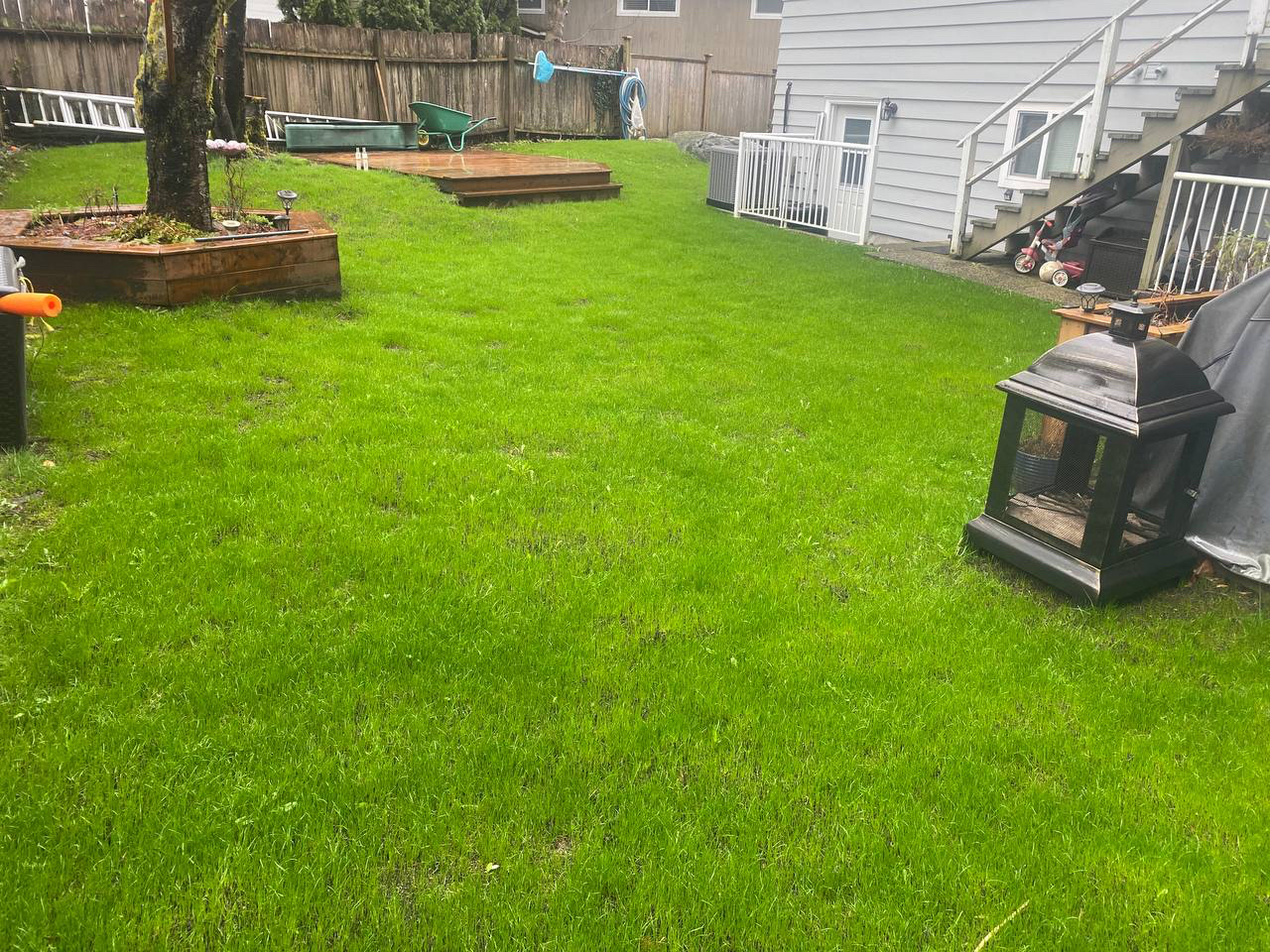
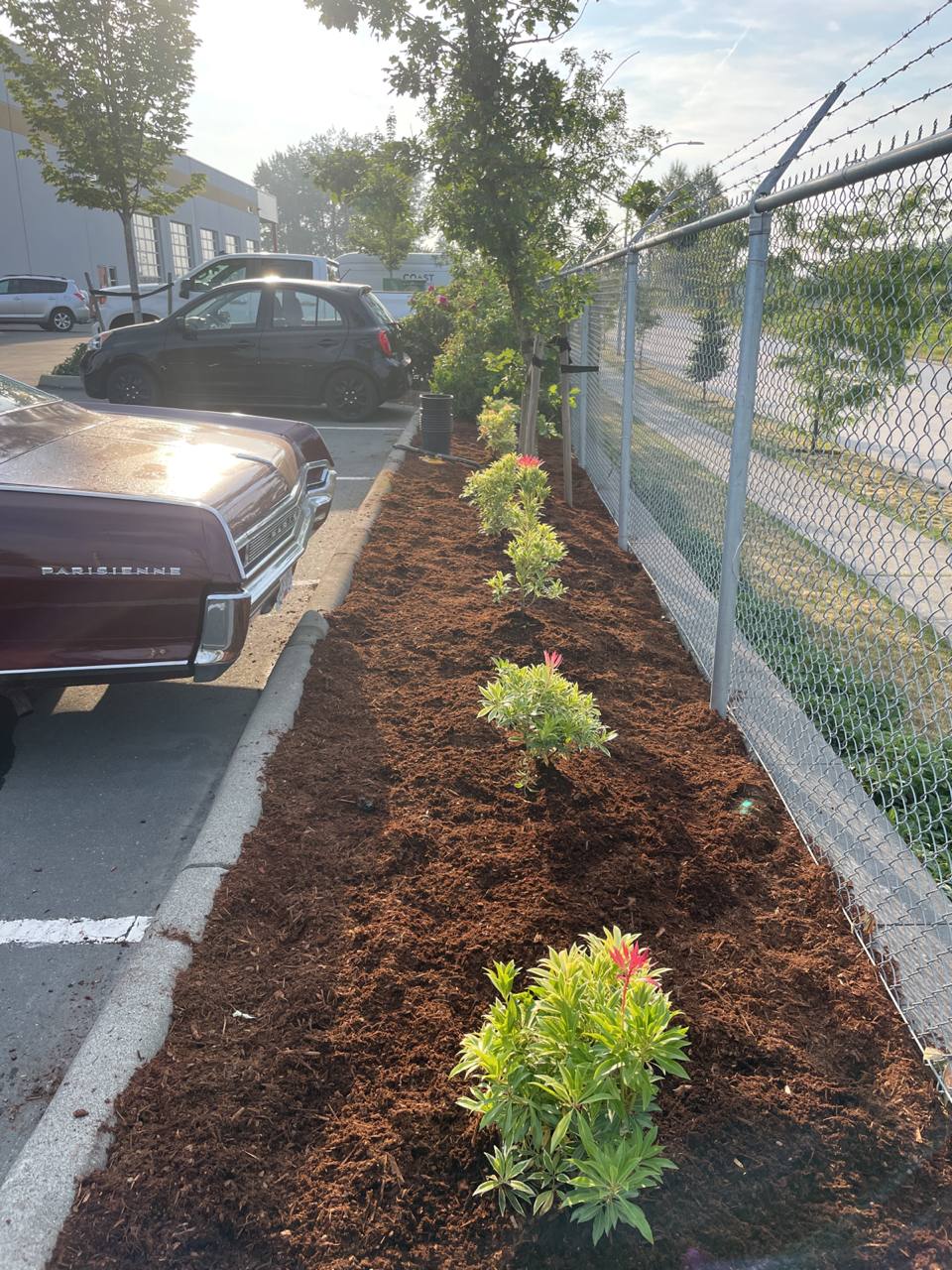
Plant palettes for Vancouver’s historic plots Plant selection in Vancouver BC should honor the past but anticipate climate change and evolving maintenance capacity. Many historic gardens used plants popular in their era: English boxwood, rhododendrons, yews and Japanese maples. Those can remain part of the mix, but I recommend layering in drought-tolerant perennials, native shrubs and lower-maintenance groundcovers to reduce irrigation needs and provide year-round structure.
Consider a palette that mixes three categories: heritage anchors, climate-smart substitutes, and pollinator-supporting fillers. A heritage anchor could be an established rhododendron or cedar. Climate-smart substitutes are species that perform similarly but withstand drier summers, like Garry oak or some acers selected for heat tolerance. Fillers are smaller plants that support insects and birds, such as salal, camassia and coastal wildflowers.
Practical example: instead of replacing a failed euonymus hedge with the same shrub, consider a layered hedge of native huckleberry and evergreen mock orange. It preserves the sense of enclosure, reduces disease pressure, and increases habitat value.
Hardscape that reads like history but works today Hard landscaping in historic gardens often shows its age: settling stone paths, concrete edging that has cracked, or a tiled porch with slippery steps. The most persuasive renovations keep visual continuity while upgrading materials for durability and accessibility. Use reclaimed stone where possible to match texture, but pour new footings and employ modern drainage behind the wall so that frost and water do not undermine the work again.
When you need new steps or ramps, pick materials that echo the original. A wood deck can use thermally modified cedar with a similar grain but much longer life. Concrete can be pigmented and brushed to complement original surfaces. For visibility and safety, integrate low-voltage lighting and handrails that read as characterful rather than institutional.
Drainage and microclimate interventions A recurring issue in Vancouver call now BC gardens is poor drainage. Old downspouts emptying to shallow swales, compacted backfills against foundations, and buried debris can cause persistent damp spots. Addressing drainage early in a renovation is cheaper than repeatedly replacing plantings that drown. Options include French drains behind retaining walls, regrading to encourage sheet flow away from structures, and installing dry creek beds that both move water and add an aesthetic element.
Microclimate interventions matter for plant survival. Planting a windbreak on the west side of a vulnerable bed, or installing a thermal mass such as a dark-stone wall to moderate night temperatures, can make the difference between a perennial surviving and failing. I advised a homeowner whose south-facing slope baked in summer to add a thin layer of compost and a protective mulch of coarse bark, then install a drip irrigation line with a timer. The combination reduced plant stress and cut watering time by about 30 percent in the first year.
Maintenance expectations and the truth about cost Historic gardens can be high maintenance. Boxwood hedges need annual trimming, year-old lawns may demand aeration and topdressing, and shade gardens accumulate leaf litter that requires periodic clean-up. When planning a renovation, be candid about how much time and money the owners are willing to invest. If the budget for ongoing maintenance is limited, prioritize low-labor options: replace intensive lawn with a meadow mix, choose self-cleaning perennials, and design with fewer high-maintenance annuals.
Cost trade-offs are real. Reusing an original stone pathway may save on materials but can increase labor cost due to careful dismantling and resetting. Installing a modern drainage system adds upfront expense but prevents expensive plant replacement and structural repairs later. I typically present clients with three scenarios: minimal intervention to stabilize the garden, moderate renovation that extends life and improves usability, and full restoration which is closest to museum-quality work and carries the highest cost. Each option maps to a realistic annual maintenance budget so clients can weigh initial expense against long-term upkeep.
Working with regulations and heritage constraints Many Vancouver properties lie within heritage conservation areas or have designated elements. Before lifting a shovel, check with municipal planning and heritage departments. Some locations require permits for tree removal, changes to significant features, or alterations visible from the street. Early engagement with the city saves weeks of rework and keeps the project timeline honest.
For example, removing a mature maple might require an arborist report proving hazard or decline. Conversely, if you plan to replace a heritage hedge, the heritage planner might request a planting plan that retains the historical character. Skip the paperwork and you risk fines, mandated restoration, or lengthy enforcement actions.
Integrating modern amenities without losing character Historic gardens are now expected to serve modern lifestyles. People want outdoor kitchens, discreet storage for bicycles and waste, accessible pathways for aging owners, and spaces for children to play. The challenge is to insert these functions with minimal visual intrusion. Concealment strategies work well: use hedges or trellised vines to screen storage boxes, embed a gas line under a gravel path for a future grill without disturbing root zones, or design a paved court using permeable pavers that read historic but comply with stormwater regulations.
An effective technique is to create "rooms" within the garden so utilities stay contained. A hidden service yard, accessed by a gate identical to the original fence, maintains the period look while keeping clutter out of sight. I designed a compact utility courtyard for a Kitsilano home that used an old shed footprint. We installed insulated storage for garden tools, a composting corner, and a screened bin area. The front garden retained its historic composition, and the homeowners gained the modern conveniences they needed.
Planting phasing and succession planning Renovating a mature garden is rarely done in a single season. Planting too much at once can stress irrigation systems and create an unsustainable workload. Phase the work: stabilize big issues such as drainage and structural roots first, then replace urgent plantings, and finally introduce new specimens over two to five years. This phased approach spreads cost and allows the garden to settle.
Succession planning matters for long-lived elements like trees. When a mature tree must be removed, plan the replacement immediately. Planting a sapling in the same place may not be ideal if roots will one day compete with foundations. Instead, choose a nearby site that will give the tree room to mature, and plant a fast-establishing interim specimen to maintain canopy cover while the replacement grows.
Controlling invasives without wrecking the soil English ivy, Himalayan blackberry and some species of morning glory have a long tenure in Vancouver gardens. Eradicating them by brute force can damage soil structure and remove protective cover, resulting in erosion. Tackle invasives with an integrated approach: careful manual removal of roots, targeted herbicide only where necessary, and immediate replanting of desirable groundcover to prevent re-invasion.
For example, on a steep slope overrun with blackberry I have used staged removal: cut canes to the ground in year one, aggressively remove root crowns in year two as new growth reveals the network, then plant quick-establishing natives like red fescue and salal to stabilize the soil. This method reduces herbicide reliance and keeps erosion in check.
Working with professionals: the crew you choose matters Not all landscapers are equal when it comes to historic gardens. You need a crew that understands masonry, arboriculture and heritage sensibilities, not just lawn care. Ask for project photos of similar scope, references for work in older neighbourhoods, and evidence of horticultural knowledge. A contractor who routinely manages tree risk assessments and coordinates with heritage planners will save headaches.
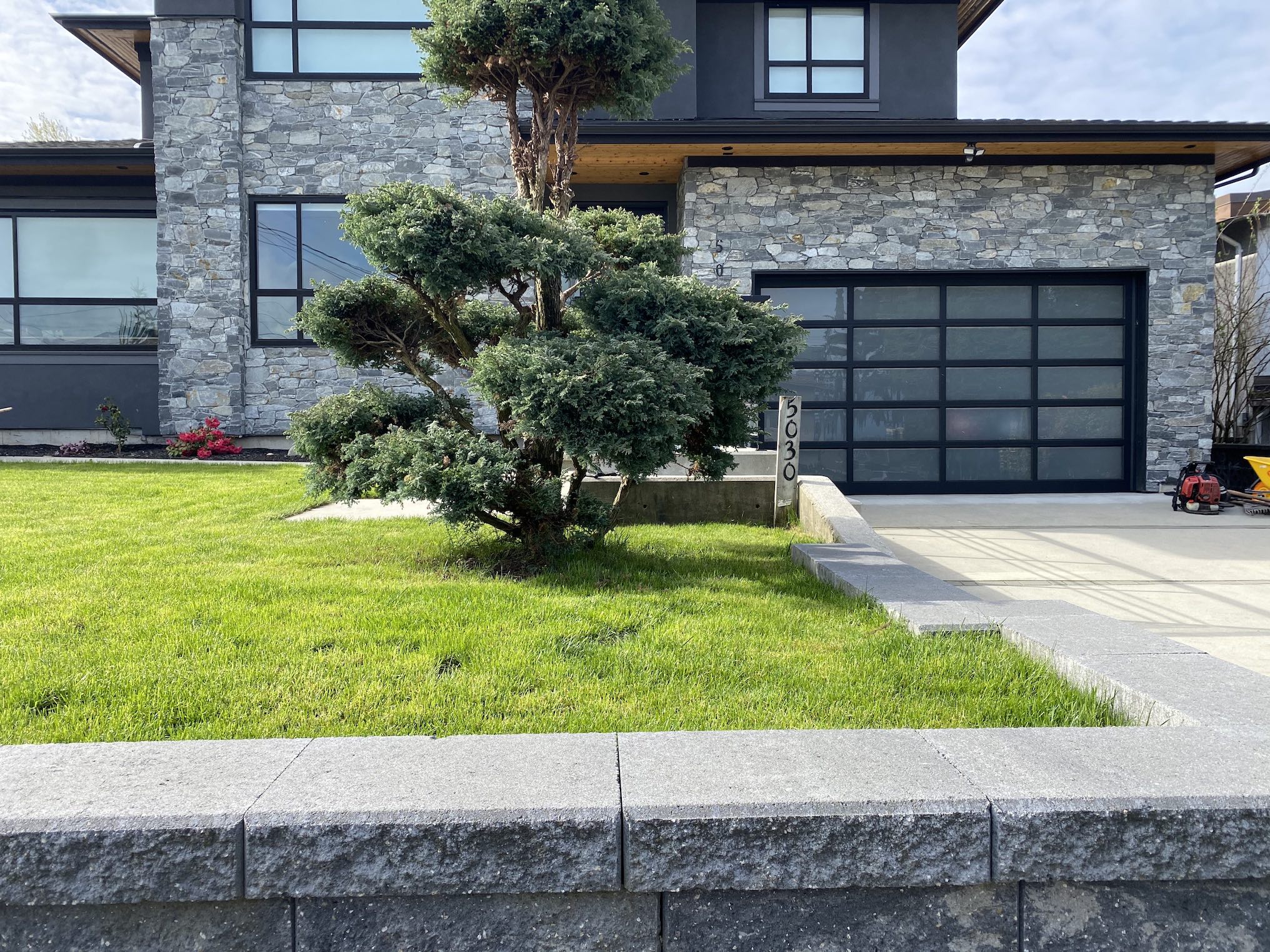
If you search for "Landscaping near me" or look specifically for "Landscaping Services Greater Vancouver BC", vet candidates on these criteria: demonstrated experience with older properties, familiarity with local bylaws, and a willingness to phase the project. Some companies specialize in contemporary builds and may unintentionally erase period character. Others, including local specialists such as Luxy Landscaping and similar firms, focus on sensitive upgrades that protect history while delivering modern function.
A few practical steps to begin If you are contemplating a renovation, start by documenting what you have: take photos from fixed points, map mature trees and structures, and note areas that are always wet, dry, shady or exposed. Commission a soil test and an arborist report if large trees are involved. Draw a simple maintenance budget for the next five years that reflects the level of care you want.
Short checklist for decision-making
- confirm any heritage designations or municipal permits required get a soil test and basic arborist assessment prioritize drainage and tree safety before cosmetic changes choose plant mixes that mix heritage species with climate-tolerant natives plan the work in phases to spread cost and allow ecosystem recovery
A final note on stewardship Renovating a historic garden in Vancouver BC is an opportunity to extend a living legacy. The right choices today—protecting soil, choosing resilient plants, fixing water flow and respecting heritage features—will reward the next generation with a garden that feels both authentic and fit for contemporary life. Done poorly, a renovation can erase decades of ecological and cultural value. Done well, it becomes a quiet act of conservation and design, something that will continue to surprise and nourish people and wildlife for decades to come.
Luxy Landscaping
1285 W Broadway #600, Vancouver, BC V6H 3X8, Canada
+1-778-953-1444
[email protected]
Website: https://luxylandscaping.ca/